
OER1:
Empathetic Contract Creation
Developing Collective Rules for Supporting Human Agency and Oversight in Educational Technology and AI Usage
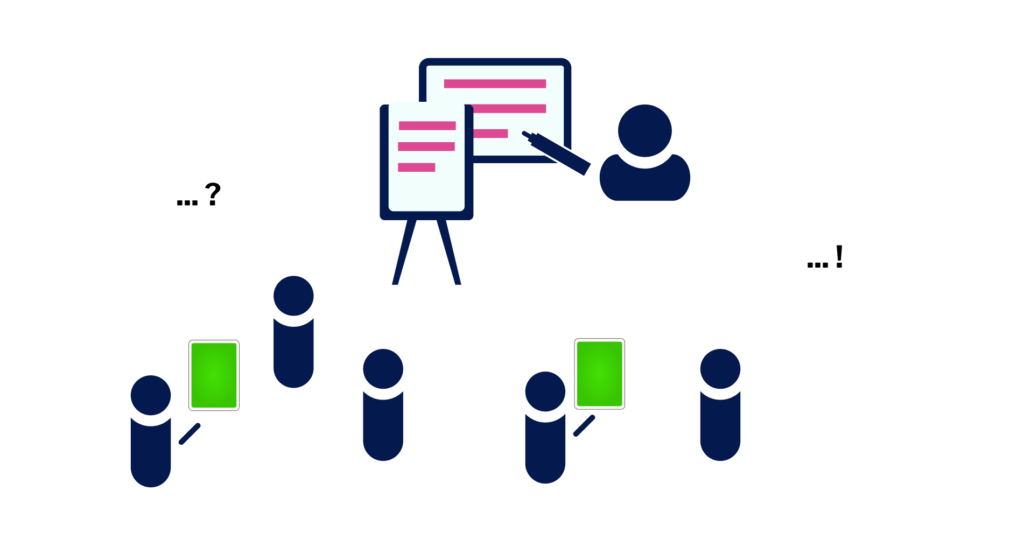
Why Educators and Learners Should Discuss Human Agency and Oversight on Educational Technologies together
In general terms, agency, one of seven principles in the EU’s ethical guidelines for using AI and data in education, refers to the capacity of individuals and collectives to interpret their context, make decisions, and act upon them. It encompasses not only “doing things” but also the ability to define which problems deserve attention, which alternatives exist, and what kind of future should be built. In the context of AI usage, agency and oversight mean overcoming a passive view of technology. If human capacity is limited to merely following instructions from AI systems designed by others; individuals, institutions, and society lose agency.
Taking an ethical direction means embracing continuous reflection on the spaces where agency is negotiated and collectively constructed when adopting technology. This space between human and machine is constantly shifting. Negotiation is central, but any agreement reached is always temporary, situated, and contextual. The goal of this OER is to guide teachers and learners in engaging in such an exercise of negotiation, placing human agency above the power of the machine and uncovering pathways toward shared agreements in the form of collectively created “empathetic contracts” that provide guidance for an ethical use of technology in education.
How to Co-Create “Empathetic Contracts” to support Human Agency and Oversight in Educational Tech and AI Use
This OER offers guidance on how to co-create “empathetic contracts” together with a group of learners. Empathetic contract creation is a method that is inspired by approaches of integrating empathy into negotiation frameworks and consciously using empathetic statements.
The idea is that the group discusses a concrete context of technology use in education and empathetically considers the perspectives of all involved parties in this situation (e.g., teachers, students, faculty development, examination office, …). Through a guided process, the group then develops a collective “contract” for this technology usage scenario, acknowledging the diverse challenges for the different groups and aiming for an empathetic solution that considers all perspectives.
This OER includes:
- An exemplary tutorial for empathetic contract creation
- Detailed pedagogical guidelines
- All materials needed for your classroom
- A digital support tool that leads the moderator through the empathetic contract creation process.
Let’s get started!
To collectively create an empathetic contract, a group discusses a specific scenario of tech or AI usage in education based on statements that represent the diversity of perspectives affected by this scenario. Each statement is read out loud by a moderator, voted on using red, yellow and green cards, and then discussed by the group. The goal of the process is to develop a set of empathetic rules for how technologies should be applied in the selected educational scenario to support human agency and oversight.
All necessary materials (reaction cards and example scenarios) and a detailed pedagogical guideline can be found here:
Tutorial: How Empathetic Contract Creation Works
Check out our tutorial to see how empathetic contract creation can foster discussion and reflection on human agency and oversight in educational uses of tech and AI:
Digital Support Tool for Moderators: Your Guide through the Moderation Process
The moderator of the process can either follow the steps in the pedagogical guideline and implement the process entirely offline, or be guided through every step of the process by our digital support tool (while the votes and discussions are still taking place offline based on our print-out materials).
» Direct link to the digital support tool (recommended for mobile devices)

This OER is licensed via Creative Commons Attribution-NonCommercial-ShareAlike 4.0 International (CC BY NC SA 4.0). The license requires that reusers give credit to the creator. It allows reusers to distribute, remix, adapt, and build upon the material in any medium or format, for noncommercial purposes only. If others modify or adapt the material, they must license the modified material under identical terms.